Measurement Guide
Our maturation predictions use the Khamis-Roche method. Accurate parent heights, child height (cm), weight (kg), and date of birth are essential.
Why accuracy matters
Small errors in parent or child height can shift predicted milestones and adult height ranges. Please avoid guessing parent heights—take direct measurements wherever possible.
- Enter biological mother and father heights.
- Measure the child’s height (cm) and weight (kg) the same day.
- Re-measure if any value seems off—use the average of 3.
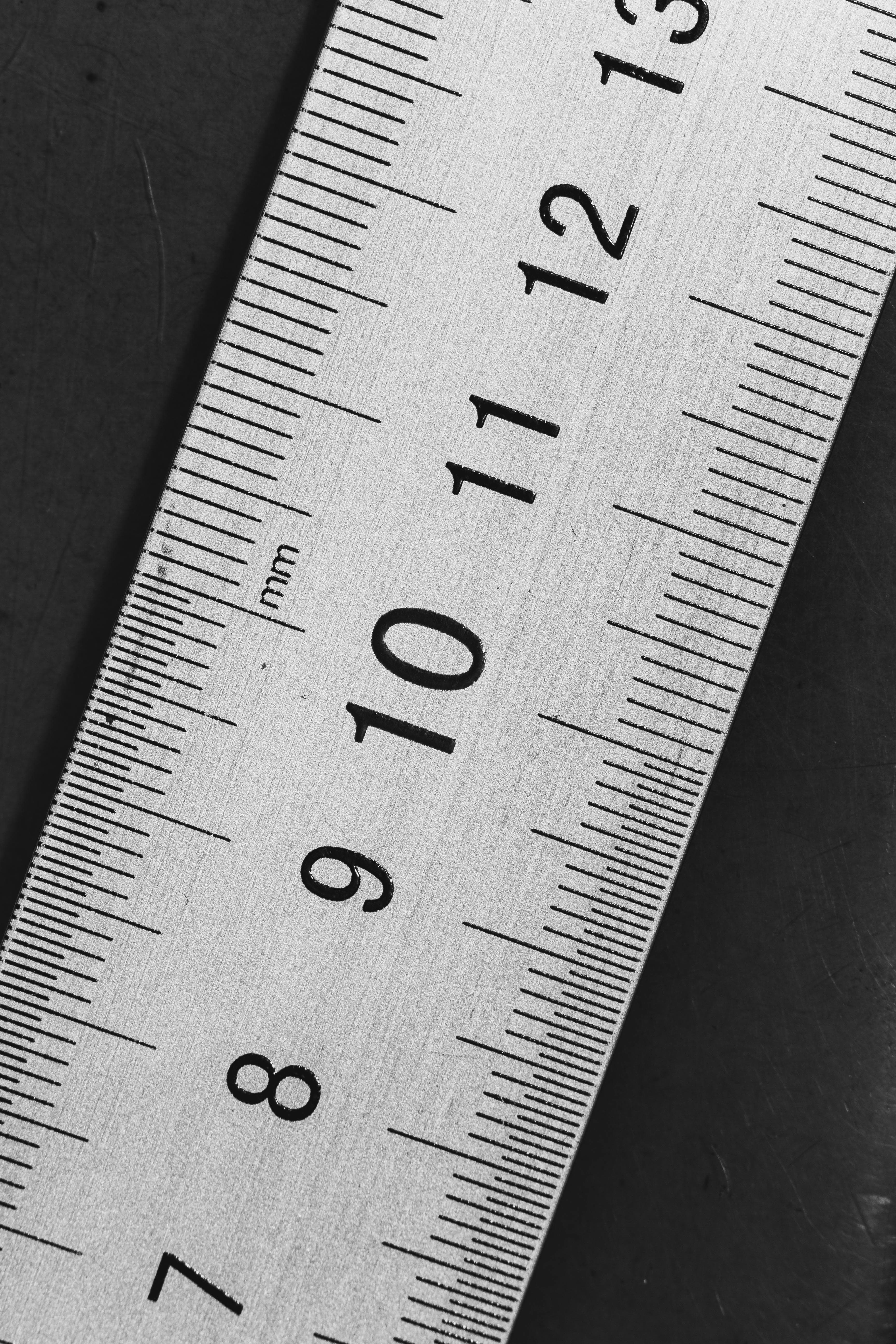
What you’ll need
If available at your club—most accurate height tool.
Use a hardback book flat on top of the head against a wall/door frame.
Digital scale for weight, on a hard, flat surface.
A taller helper can ensure the book is truly level.
Mark the wall lightly; measure from floor to mark in cm.
Record 3 heights and take the average; note time of day.
Choose the right test area
- Use a hard, flat surface (not grass or carpet).
- The measurer should be as tall or taller than the subject (use a stool if needed).
- Measure against a door frame or wall where heels can sit directly under the surface.

How to measure height at home
Take three measurements and record the average. This reduces error and improves predictions.
Back of head and heels touch the wall. Chin slightly tucked, eyes level. Take a deep breath and “grow tall”.
Place a hardback book level on the head, flush to the wall. Make a sharp pencil mark where the book meets the wall.
Measure from floor to the mark (cm). Repeat two more times. Average the 3 results; repeat any outlier.
Marking & measuring details
- Keep the book truly horizontal (a spirit level is ideal).
- Mark the wall lightly on the underside of the book.
- Use a tape measure to the nearest millimetre if possible, then record in cm. i.e. 145.7cm
- Repeat any test that differs noticeably from the others.
Common mistakes to avoid
Carpet/grass add error—use hard floors.
Heels and back of head must touch the wall.
Tilted book exaggerates height. Keep it flat.
Flatten hair; measure to skull, not hairstyle.
Measuring weight
- Use a digital scale on a hard, level surface — not carpet.
- Weigh at a similar time of day, in light clothing, without shoes.
- Record in kilograms (kg) to one decimal place.
A note on body weight
We know body weight can be a sensitive topic — particularly for young girls. Weight is included solely because the Khamis-Roche formula requires it as a mathematical input alongside height and parental heights.
It is never used as a fitness or performance indicator, never ranked or compared between athletes, and never displayed in a way that singles out an individual. Coaches see only the maturation assessment — not a body composition breakdown.
Ready to use your measurements?
Enter your data to generate growth predictions and a clear, shareable assessment.